BowTie Home Services · Las Vegas, NV
Low Water Pressure in Las Vegas
Weak pressure across a Las Vegas home almost always traces to a failing pressure regulator, mineral scale buildup, or a supply leak. We diagnose the actual cause — then fix it.
Homeowner Reviews
Licensed & Insured
Nevada plumbing & HVAC
White Glove Guarantee
Every visit, every time
Upfront Pricing
No surprises, ever
What Causes Low Water Pressure in Las Vegas Homes
Water pressure problems in Las Vegas trace to a predictable set of causes. Las Vegas's hard water and aging infrastructure make each of them more likely than in softer-water cities.
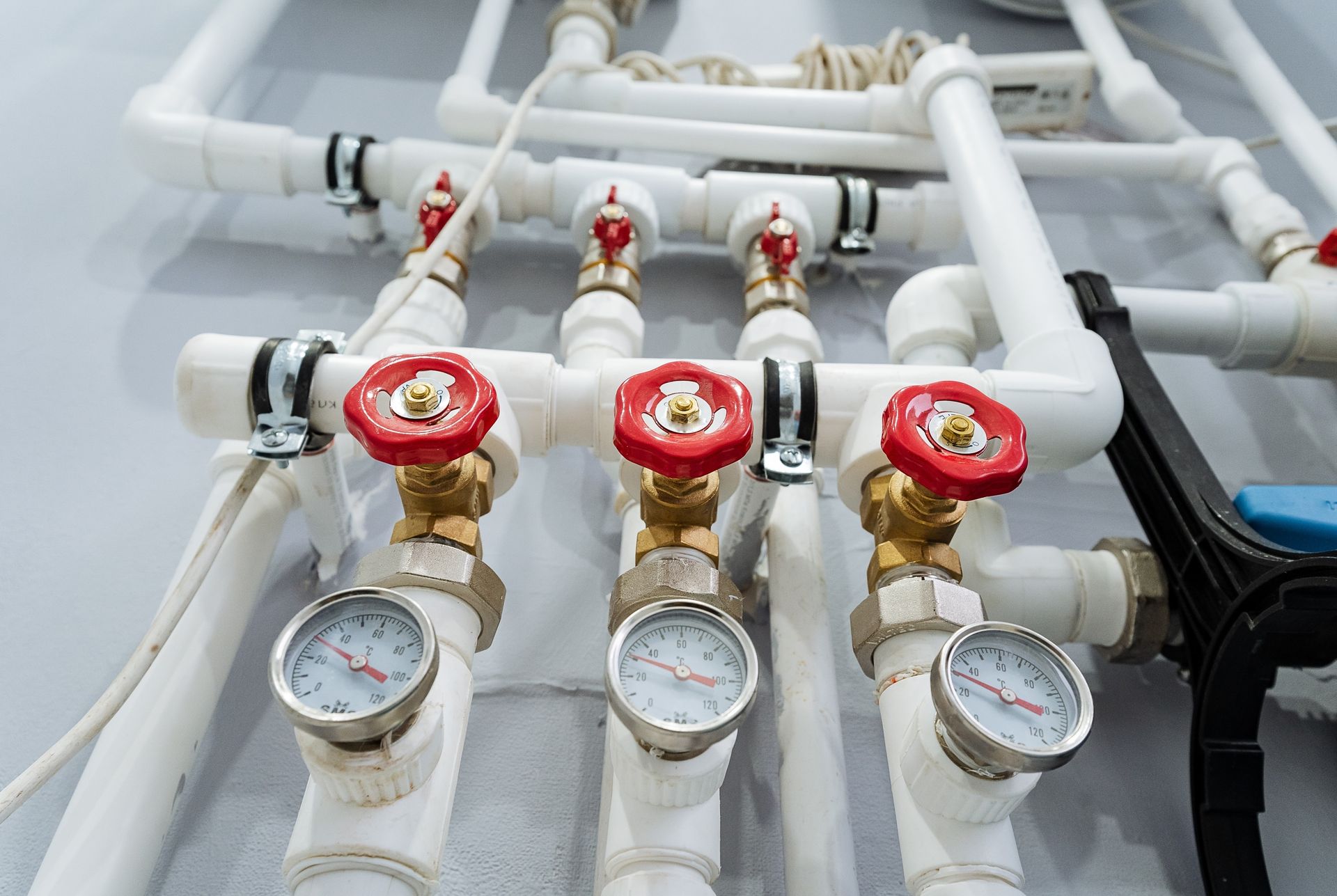
The pressure regulator. Every home connected to municipal water has a pressure reducing valve (PRV) at or near the main shutoff — typically where the service line enters the house. A working PRV holds incoming municipal pressure (which can run 80–100 PSI) down to the residential standard of 50–70 PSI. As regulators age, they fail in two directions: restricting too aggressively (chronic low pressure throughout the house) or failing open (full municipal pressure reaching fixtures). Las Vegas PRVs typically last 8–12 years. A failing PRV is the most common single cause of whole-house pressure problems.
Scale buildup in fixtures and fittings. Las Vegas's hard water deposits calcium inside aerator screens, showerhead orifices, and narrow-diameter fittings. Pressure in the supply pipe may be fine — but if the aerator is significantly occluded with mineral scale, the flow at the faucet suffers. Low pressure affecting only certain fixtures or only one area is almost always a fixture-level issue.
Supply leaks. A slab leak or supply line leak bleeds pressure continuously. If the pressure drop was sudden, affects the whole house, and you hear running water when nothing is on, a supply leak is the likely cause.
How We Diagnose It
We start with pressure readings — at the main and at affected fixtures — to isolate whether the problem is on the supply side, at the PRV, or specific to certain fixtures or branch lines. We test the PRV, inspect accessible supply lines, and determine whether a supply leak is contributing. You get a specific cause and a flat-rate quote before any work begins.
- Pressure diagnostic — supply pressure vs. PRV vs. fixture restriction
- Pressure regulator (PRV) testing and replacement
- Fixture and aerator descaling recommendation
- Supply leak detection when pressure loss is sudden or whole-house
- Flat-rate pricing provided upfront after diagnosis
- Same-day service across Las Vegas
Signs You Have a Water Pressure Problem
- Weak flow from every fixture in the house simultaneously. Whole-house pressure loss points to the PRV, the main shutoff, or a supply leak — not a fixture issue.
- Good pressure in some areas, poor in others. Branch supply problems or fixture-level scale buildup typically cause localized pressure loss, not whole-house.
- Pressure that has gotten progressively worse over months. Gradual pressure reduction usually indicates PRV degradation or accumulating scale inside supply pipe.
- A sudden pressure drop that appeared within a day. Sudden whole-house pressure loss is more likely a supply leak, a PRV failure, or an inadvertently closed valve.
- Hot water pressure noticeably weaker than cold. Often a failing water heater inlet valve or scale accumulation on the hot-side supply — a different diagnostic path than whole-house pressure.
Water Pressure Questions for Las Vegas Homeowners
My water pressure is low everywhere — is that the city's problem or mine?
If neighbors are unaffected and your main shutoff is fully open, the problem is almost certainly inside your home. A failing PRV, a partially closed valve, or a supply leak are the most common whole-house causes. A quick pressure reading at the main tells us whether the city is delivering adequate pressure to your meter.
What is a pressure regulator and where is it?
A pressure reducing valve (PRV) reduces high incoming municipal water pressure to a safe residential level — typically 50–70 PSI. It's usually a bell-shaped brass fitting located near the main shutoff where the service line enters the house. If yours is over 10 years old and you're experiencing whole-house pressure issues, it's the first thing we test.
How do I know if I need a new PRV?
A pressure gauge on any hose bib will give you a downstream reading. If it's consistently below 45 PSI and the city supply is normal, the PRV is likely restricting too aggressively. If it's above 80 PSI, the PRV may be failing open. Either way, PRV replacement is the fix.
Can scale buildup cause whole-house pressure problems?
Scale inside the supply pipe itself — not just fixtures — can narrow the interior and reduce flow. This is more common in older galvanized supply lines than in copper or PEX. Very old Las Vegas homes with original galvanized supply pipe can have pipe interiors significantly occluded with rust and scale, producing a whole-house flow reduction.
Could low hot water pressure be a different problem from low cold water pressure?
Yes. If only the hot side is weak, the water heater is a likely factor — a failing inlet valve, scale buildup in the cold supply to the heater, or heavy sediment accumulation at the tank outlet. A quick test: compare pressure before and after the heater's supply shutoff valve.
My shower pressure is fine but the kitchen faucet is weak — is that a pressure problem?
Probably not. A single fixture with weak flow is almost always a clogged aerator — a direct result of Las Vegas's hard water. Remove the aerator screen and clean or replace it first. If flow is still weak after that, the cartridge or supply valve is the next thing to check.
How much does pressure diagnosis and PRV replacement cost in Las Vegas?
We provide flat-rate pricing after our on-site diagnosis. Call (725) 290-3207 to schedule.
Weak pressure across a Las Vegas home has a definite cause — it doesn't fix itself.
Call us and we'll diagnose the actual source before recommending anything.
Related Services
Ready to schedule the BowTie Touch?
Same-day and next-day appointments available across the Las Vegas Valley.